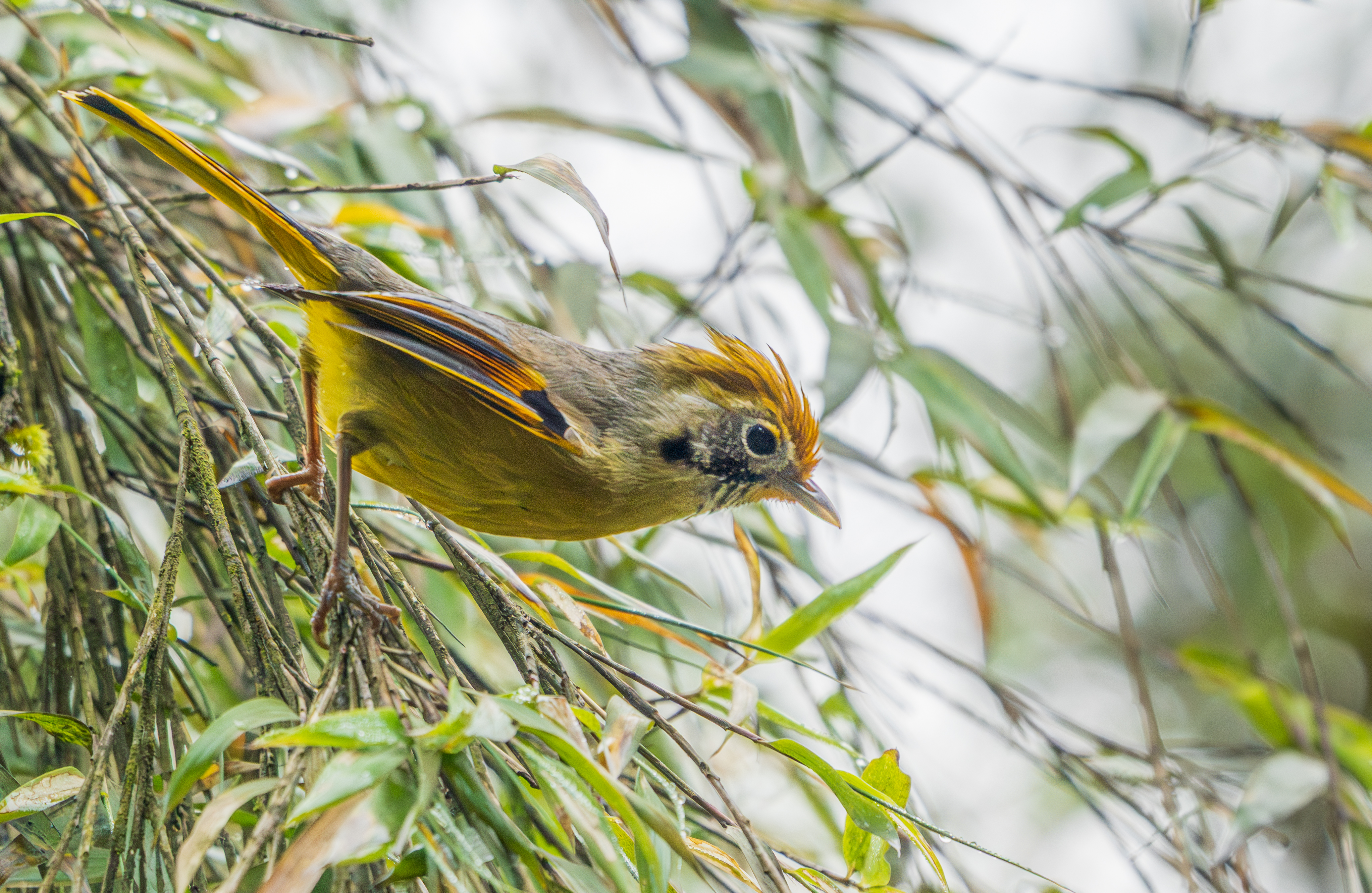
Hidden among the misty forests of the Himalayas and the mountain ranges of South and Southeast Asia lives a small yet captivating bird known as the Bar-throated Siva. With its vibrant plumage, energetic behavior, and melodious calls, this remarkable species has become a favorite among birdwatchers and nature enthusiasts.
Introduction
The Bar-throated Siva (Siva strigula) is a passerine bird belonging to the family Leiothrichidae, commonly known as the laughingthrush and allied bird family. Despite its modest size, this bird stands out due to its striking combination of colors and lively personality. It is commonly found in forested hills and mountain regions, where it moves actively through the tree canopy in search of food.
Physical Appearance
One of the most distinctive features of the Bar-throated Siva is its colorful plumage. The bird displays shades of olive-green, blue-gray, chestnut, and yellow, creating a beautiful contrast that helps it blend into the foliage while still appearing vibrant in sunlight.
Its name comes from the dark barring across the throat, a characteristic marking that helps distinguish it from similar species. Adults typically measure around 15–18 centimeters in length and possess a slender build adapted for agile movement among branches.
Habitat and Distribution
The Bar-throated Siva inhabits broadleaf and mixed forests across a wide geographic range. It can be found in countries such as India, Nepal, Bhutan, China, Myanmar, Thailand, and Vietnam. Within India, it is particularly associated with the Himalayan foothills and northeastern hill forests.
These birds generally prefer elevations ranging from 1,000 to 3,000 meters, where dense vegetation provides both shelter and abundant food resources.
Behavior and Feeding Habits
Bar-throated Sivas are highly social birds. They are often seen moving in small flocks or joining mixed-species feeding groups. Their active and acrobatic nature allows them to forage efficiently among leaves and branches.
Their diet primarily consists of:
Insects and larvae Small spiders Fruits and berries Nectar and plant material
By consuming insects, they help control pest populations, while their fruit-eating habits contribute to seed dispersal within forest ecosystems.
Breeding and Nesting
The breeding season varies depending on the region but generally occurs during spring and early summer. The female constructs a neat cup-shaped nest using grass, moss, and plant fibers, usually hidden within dense shrubs or low tree branches.
A typical clutch contains two to four eggs. Both parents participate in caring for the chicks, ensuring they receive enough food and protection until they are ready to leave the nest.
Ecological Importance
Like many forest birds, the Bar-throated Siva plays an important ecological role. Its feeding activities contribute to insect regulation and seed dispersal, supporting the health and regeneration of forest habitats. The presence of healthy populations often indicates a well-preserved ecosystem.
Conservation Status
Currently, the Bar-throated Siva is not considered globally threatened. However, habitat loss caused by deforestation, infrastructure development, and forest fragmentation can affect local populations. Conservation efforts aimed at protecting mountain forests are essential for ensuring the long-term survival of this and many other forest-dependent species.
Why Birdwatchers Love the Bar-throated Siva
For birdwatchers, spotting a Bar-throated Siva is always a rewarding experience. Its colorful appearance, constant movement, and cheerful calls make it one of the most delightful birds to observe in Himalayan forests. Whether glimpsed darting through foliage or heard singing from a hidden perch, the Bar-throated Siva leaves a lasting impression on anyone fortunate enough to encounter it.
Conclusion
The Bar-throated Siva is a fascinating example of the biodiversity found in Asia’s mountain forests. Combining beauty, ecological significance, and energetic behavior, this small bird serves as a reminder of the importance of preserving natural habitats. As forests continue to face environmental pressures, protecting species like the Bar-throated Siva becomes increasingly important for maintaining the rich tapestry of life they represent.
Comments